
14 May 2026 · 4 min read
How Long Do Foam Mic Covers Last? (And When to Replace Them)
A decent custom foam mic cover lasts 2-4 years of daily podcasting. Cheap ones last 6 months. Here is what makes the difference, plus how to make yours last longer.
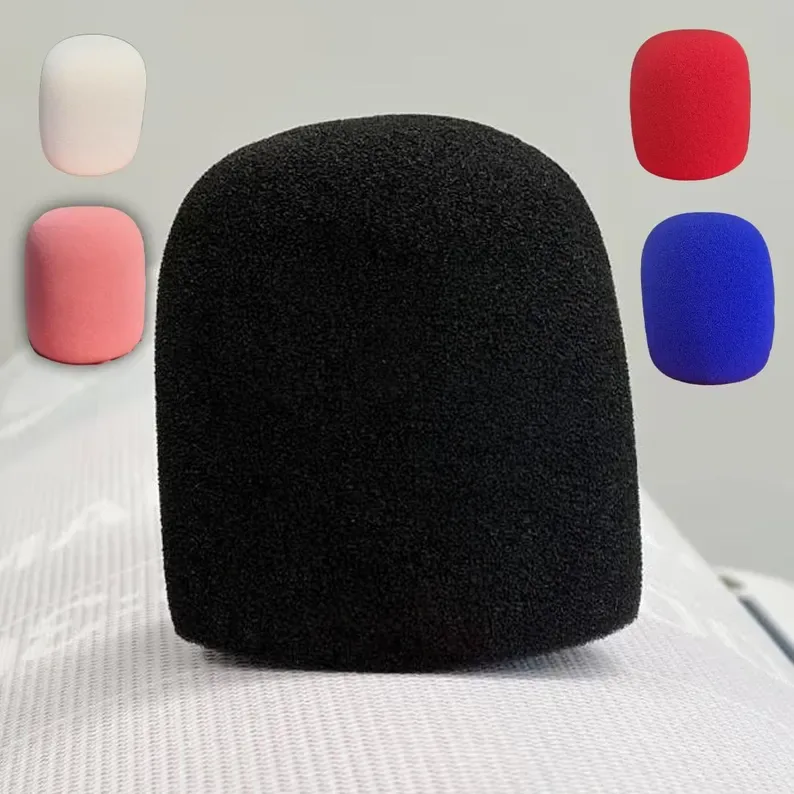
A custom foam mic cover is a buy-once-every-three-years item, if you buy the right one. A cheap one needs replacing within months. Here's the honest breakdown of lifespan, what wears them out, and how to make yours last.
How long should a foam mic cover last?
For a well-made PU foam custom cover with daily podcast use (3-5 hours a day, indoors, no extreme handling):
- 2-4 years before the foam starts visibly degrading
- 3-5 years before it's actually time to bin
For a cheap PE foam Amazon cover under the same use:
- 3-9 months before it starts tearing
- 6-12 months before it's structurally failed
The two-decimal-place difference in price (£8 vs £25) is hiding a year-times-multiplier difference in lifespan.
What kills a foam cover
In order of damage caused:
1. UV light (the big one)
Sunlight hits foam. Foam degrades. The cell structure breaks down, the foam stiffens, then crumbles.If your mic sits near a window in direct sunlight, you'll see noticeable yellowing within 6 months. The cover will start shedding tiny foam particles within 12-18 months.
Fix: don't store the mic in direct sunlight. Cover the mic with a cloth between sessions if it sits on the desk.
2. Saliva and breath moisture
Singing or close-miked vocal work soaks the foam in moisture. The foam absorbs sweat, saliva and condensed breath. Over time, this breaks down the cell walls.Podcast distance (10-25cm from the mouth) is fine. Singing distance (2-5cm) wears foam down faster.
Fix: let the foam dry between sessions. Don't store it in a sealed bag immediately after a long recording.
3. Aggressive cleaning
The single biggest "I broke my own cover" mistake is washing it. Even gently. Even with mild soap. The foam absorbs cleaning chemicals and the dye-sublimation print can run.Fix: never wet-clean. Use a soft brush (a paintbrush works) to lift off dust. For a deeper clean, see below.
4. Storage in a hard case
Counter-intuitive: storing in a hard travel case compresses the foam against the inner walls and creates permanent dents.Fix: store with the foam either on the mic, or in a soft drawstring bag where it can hold its shape.
How to clean a custom foam mic cover
Three escalating levels:
Light dusting (weekly)
Soft brush, dust it off. Done.Surface refresh (monthly)
Lint roller (the cheap sticky-paper kind). Roll it gently over the surface — picks up dust, lint and tiny particles without damaging the print.Deep clean (when really needed)
Compressed air, not water. Hold the can 30cm away (closer can blow holes), and gently spray across the foam to lift embedded particles. Then a soft brush. Then a lint roller.Never use:
- Water or any liquid
- Alcohol or solvents
- Soap or detergent
- A vacuum cleaner (sucks the foam structure apart)
- An iron, hair-dryer or heat gun (melts the foam)
When to replace
Replace your cover when:
- It's tearing at the bottom seam. No fix — the structural integrity is gone.
- You can see permanent dents that won't bounce back. The foam has compressed past recovery.
- The print has cracked, faded, or transferred onto your mic. Cosmetic only, but it looks bad on camera.
- It smells. Foam absorbs odour over time. By year 3-4, even a clean cover may need replacing on smell alone.
If your cover is still printed crisply and isn't torn, you don't need to replace it. We see customers running covers we made 3 years ago that still look like new.
What about re-prints?
We keep your artwork on file forever. If your existing cover wears out, you can reorder the exact same design with no setup fee, no artwork charge, and same 3-day turnaround.
Most repeat customers reorder for one of three reasons:
- The original wore out
- Their brand colours/logo changed
- They expanded to a second mic and want matching covers across the rig
Bottom line
A £25 made-in-London custom foam cover is a buy-it-and-forget-it purchase for 2-4 years. Treat it like a piece of clothing — dust it off, keep it out of sunlight, don't wash it — and it'll outlast the microphone in many cases.
Shop covers by mic model or reorder a previous design if you've ordered from us before.
Shop the gear in this guide
Ready to brand your microphone?
Custom microphone branding and same-day printing from London E1. Production 1–2 working days after artwork approval.
Browse the shop