
02 May 2026 · 6 min read
Best Microphone Accessories Every UK Podcaster Needs in 2026
A working podcast setup needs five accessories beyond the mic itself. Most podcasters buy two of them and skip the others.
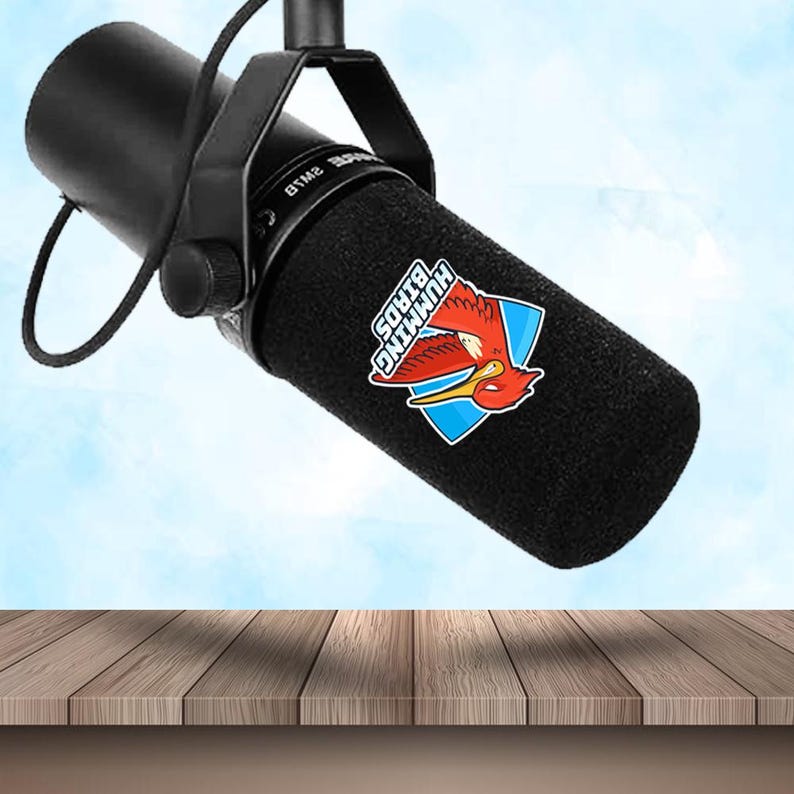
A working podcast setup needs five microphone accessories beyond the mic itself. Most new podcasters buy the boom arm and skip the others. Some buy nothing at all. Both approaches make the show sound noticeably worse than it should.
Here's the actual list, in priority order. UK pricing throughout.
1. Boom arm (essential, £40-150)
A desk-mount boom arm. Suspends the mic at mouth height, swings out of the way between recordings, isolates the mic from desk thumps and keyboard typing.
Budget: Innogear MU-2 (~£30) — works, plastic joints wear in 6-12 months.
Standard: Rode PSA1+ (~£130) — internal cable routing, matte black finish, lasts indefinitely. The default for most UK podcasters.
Pro: Yellowtec m!ka (£300+) — broadcast-grade. Overkill for solo podcasts.
Buy this first. Without it, you're miking your desk surface, not your voice.
2. Shock mount (essential for studio mics, £15-80)
A spring-loaded cradle that holds the mic, isolating it from vibrations transmitted through the boom arm. Stops keyboard typing, mouse clicks, and footfalls from being audible in the recording.
Sometimes included: SM7B, SM58, and Rode PodMic ship with built-in shock isolation. You don't need an external shock mount for these.
Definitely need one: Rode NT1, Audio-Technica AT2020, Blue Yeti (the Yeti famously transmits desk noise without one).
Cost: £15-30 for budget options, £40-80 for Rode/Shure-branded shock mounts that fit specific mics.
3. Custom foam mic cover (essential for visual, £20-30)
External foam over the mic head. Three functions: kills plosives, softens visual appearance, adds branding.
Stock foam (if your mic came with one) does function 1. A custom cover does all three.
We make these. Browse by mic model. Standard 3-4 day UK turnaround.
If you're doing audio-only podcasting with no YouTube/Spotify video, you can skip this. If your show goes anywhere visual, this is the cheapest professional-look upgrade in the rig.
4. Pop filter (situational, £8-40)
A metal-mesh or fabric disc that sits between you and the mic. Catches plosive air bursts before they hit the diaphragm.
When you need one: singing-style close-mic'ing on a condenser (NT1, AT2020). Pop filter sits 5-8cm in front of the mic.
When you don't: dynamic mics like SM7B and PodMic at podcast distance (10-25cm). The foam cover handles plosives at that range. Adding a pop filter is redundant visual clutter.
For most podcasts, skip the pop filter and use a foam cover instead.
5. Acoustic treatment / panels (recommended, £40-200)
Foam tiles, fabric panels, or proper bass traps mounted on the walls of your recording space. Cut the room's reverb so your voice sounds close-mic'd rather than distant.
Budget: 12 foam tiles in a 1m² grid behind your mic and behind your head. £30-40.
Standard: 4-6 fabric-wrapped panels (200×60cm each) at the first reflection points. £100-180.
Pro: Treat the entire room, add bass traps in corners. £400+.
Skip the foam-wedge "studio kit" boxes off Amazon (they're cheap and look like a YouTube starter pack — also Tier-1 podcasts don't use them).
What you can skip
Desk-mounted USB hub
You don't need a special USB hub for podcasting. Your computer's built-in USB ports are fine.Cable management trays / sleeves
Useful for tidiness, but they don't affect the recording. Buy them after you've nailed the basics.A second microphone "for backup"
Don't. Pick one mic, use it well. If it dies mid-show, restart with a different one. Hot-swap reliability is overrated for solo content.Standalone audio interface (if your mic is USB)
A Shure MV7, Rode PodMic USB, or Blue Yeti needs no external interface. Plug straight into the computer. Don't add a Scarlett 2i2 between them unless you're going XLR.The order of buying
If you're starting a podcast with £500 and need to buy everything:
- Microphone (£100-300 — Shure MV7 or PodMic at the entry point)
- Boom arm (£40-130 — Innogear or Rode PSA1+)
- Custom foam cover (£25 — branded)
- Acoustic foam tiles for behind-mic wall (£35)
- Headphones for monitoring (£40-100 — Sony MDR-7506 is the standard)
That's a £350-£600 working podcast setup. Everything beyond that is incremental quality, not "needed to record".
What we make in the list
We're a foam-mic-cover specialist (item #3). We don't make boom arms, shock mounts, pop filters, or acoustic treatment.
For #1, #2, #4, #5, the UK distributors are:
- Microphones: KMR Audio, Andertons, ProAudioStar
- Boom arms: same suppliers as above
- Acoustic treatment: GIK Acoustics (UK), Aston Halo
- Headphones: any UK retailer
For mic covers: us, or one or two competitors on Etsy. See our range.
Bottom line
A working UK podcast setup costs £350-£600 to build new in 2026. Of that, £25 goes on the custom mic cover. That £25 is doing more visual work than the £130 boom arm. Make sure it's a good one.
Shop the gear in this guide
Ready to brand your microphone?
Custom microphone branding and same-day printing from London E1. Production 1–2 working days after artwork approval.
Browse the shop